

Exodus Cry Supports Bipartisan Sex Trafficking Demand Reduction Act
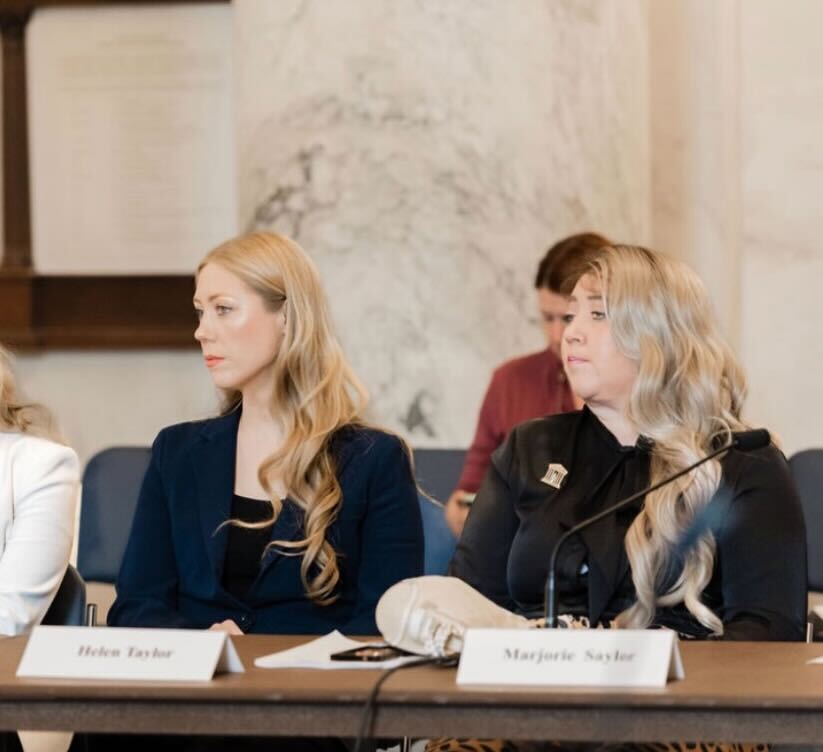
Exodus Cry VP of Impact, Helen Taylor and Trafficking survivor, activist and President of the CA Survivor Coalition Marjorie Saylor at the ATIP roundtable meeting
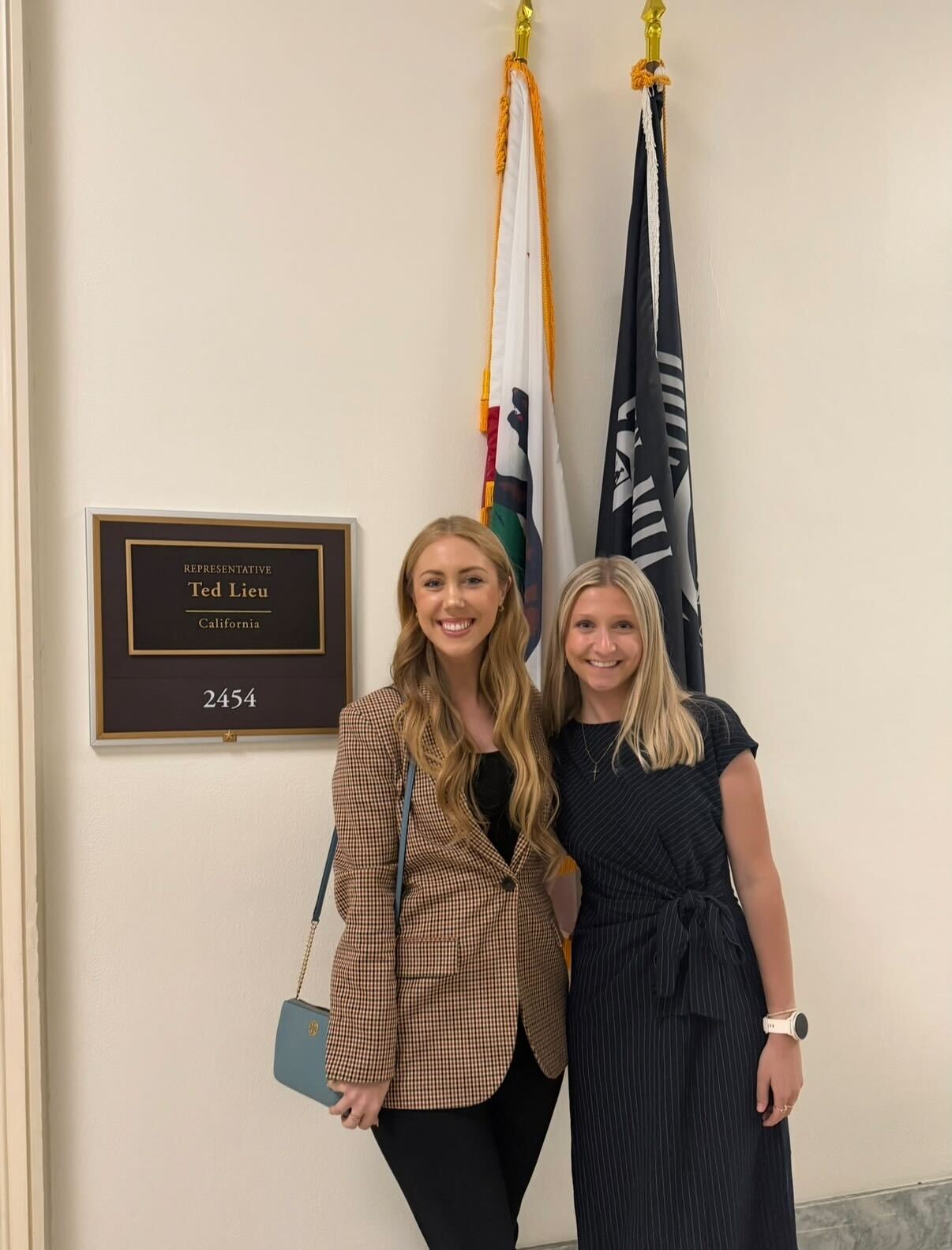
Exodus Cry VP of Impact, Helen Taylor and Bella Peracchi, Policy and Program Associate atWorld Without Exploitation, meeting with elected officials about the bill on Capitol Hill
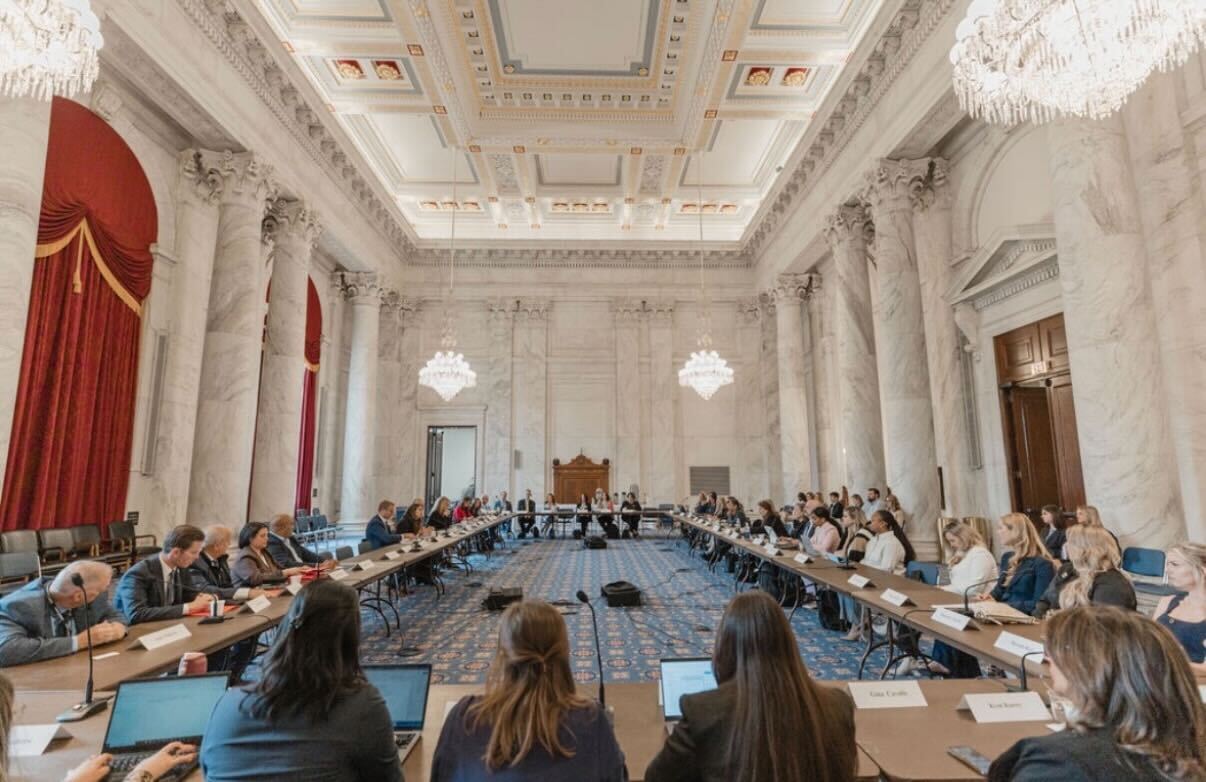
Anti Trafficking In Persons (ATIP) Roundtable Meeting on Capitol Hill
New legislation would strengthen global accountability and target the demand driving sex trafficking worldwide
The bill would strengthen standards within the U.S. State Department’s annual Trafficking in Persons (TIP) Report by requiring countries to demonstrate serious and sustained efforts to:
• Prohibit the purchase of commercial sex acts or implement policies against the purchase of commercial sex acts
• Educate sex buyers about the role demand plays in sex trafficking and exploitation
• Reduce participation in international sex tourism by nationals of that country
Countries that fail to make meaningful progress could face increased international scrutiny and potential consequences related to U.S. foreign aid.
According to the International Labour Organization, forced sexual exploitation generates an estimated $173 billion annually worldwide and impacts more than 6 million victims globally, including approximately 1.7 million children.
Research continues to show a direct connection between demand for commercial sex and sex trafficking. Studies have found that countries with legalized prostitution experience higher levels of human trafficking inflows and that reducing demand is one of the most effective ways to disrupt trafficking networks and sexual exploitation.
“Sex trafficking is fueled by demand, and no effort to end this global human rights crisis can succeed without addressing the demand for commercial sex,” said Helen Taylor, Vice President of Impact at Exodus Cry. “This legislation strengthens international accountability and advances a more comprehensive approach to eliminating sex trafficking.”
Rep. Ann Wagner emphasized the importance of confronting the demand driving the global sex trade. “One of the major ways to eliminate the power of criminal trafficking networks is to disrupt the horrific demand fueling the international sex trade,” Wagner said. “This is a global issue, and it requires a global response.”
Rep. Madeleine Dean highlighted the need for coordinated international action. “To eradicate sex trafficking, we need a coordinated global effort,” Dean said. “This bipartisan bill encourages countries to establish and enforce meaningful anti-trafficking measures.”
The legislation has received support from numerous national anti-trafficking and human rights organizations, including World Without Exploitation, the National Center on Sexual Exploitation (NCOSE), Rights4Girls, the Coalition Against Trafficking in Women (CATW) and The EPIK Project.
“Demand is the engine that drives sex trafficking,” said Becca Zipkin, Policy Director at World Without Exploitation. “We will never end exploitation if we continue to ignore those fueling the market.”
Dr. Marcel van der Watt, President & CEO of NCOSE, called the bill “a vital step forward that holds sex buyers accountable and disrupts the profit engine of sex trafficking.”
Rights4Girls Executive Director Yasmin Vafa said the legislation “recognizes that sex trafficking cannot be addressed without confronting the demand that fuels it.”
Trafficking survivor and activist Marjorie Saylor shared, "As survivors, we know firsthand that trafficking does not begin with a trafficker; it begins with a buyer willing to place a price tag on another human being.... The Sex Trafficking Demand Reduction Act is more than a policy reform; it is a declaration that the world can no longer claim to fight trafficking while ignoring the very force that fuels it.”
Taina Bien-Aimé, Executive Director of CATW, said there is growing global recognition that “ending the demand for prostitution is one of the most effective tools to combat sex trafficking and sexual exploitation.”
Tom Perez, Founder and President of The EPIK Project and co-creator of The Demand Collaborative, shared that they strongly support the bill because it “treats demand reduction not as an accessory to enforcement, but as an essential strategy for preventing exploitation before it starts and disrupting the conditions that allow trafficking to thrive.”
For nearly two decades, Exodus Cry has played a leading role in advocating for demand-focused solutions to sex trafficking and supports policies that hold exploiters accountable while protecting victims and vulnerable individuals from commercial sexual exploitation.
About Exodus Cry
Exodus Cry is an international anti-trafficking nonprofit organization focused on ending the sex trade and eradicating exploitative pornography. Through films, advocacy, and survivor support, Exodus Cry works to expose exploitation, change the law, and help survivors build beautiful new lives.
Olivia Burnett
Exodus Cry
oliviaburnett@exoduscry.com
Visit us on social media:
LinkedIn
Instagram
Facebook
YouTube
TikTok
X
Legal Disclaimer:
EIN Presswire provides this news content "as is" without warranty of any kind. We do not accept any responsibility or liability for the accuracy, content, images, videos, licenses, completeness, legality, or reliability of the information contained in this article. If you have any complaints or copyright issues related to this article, kindly contact the author above.
